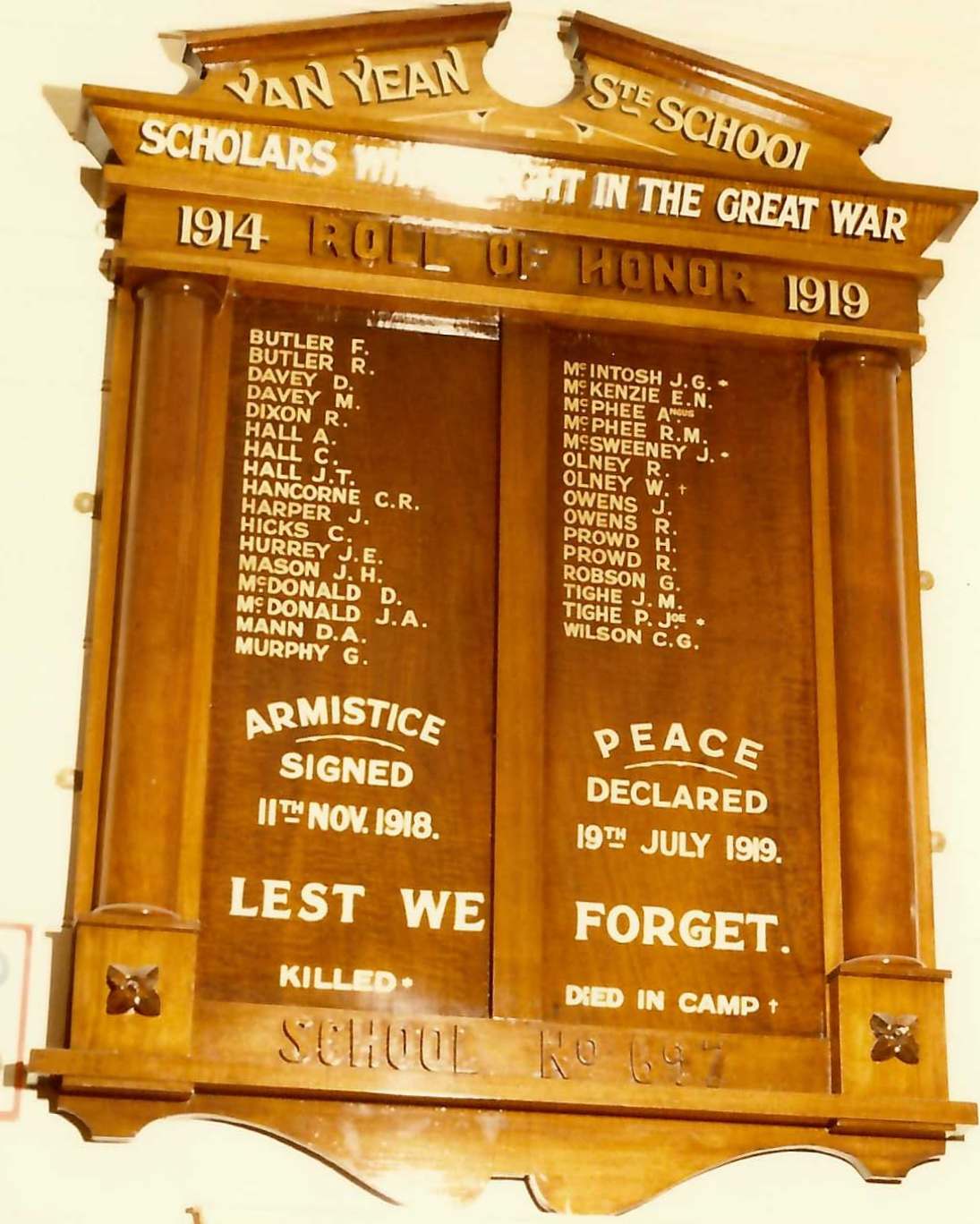
Yan Yean State School. Scholars Who Fought In The Great War. 1914 Roll of Honor 1919. Butler F., Butler R., Davey D., Davey M., Dixon R., Hall A., Hall C., Hall J.T., Hancorne C.R., Harper J., Hicks C., Hurrey J.E., Mason J.H., McDonald D., McDonald J.A., Mann D.A., Murphy G., McIntosh J.G., McKenzie E.N., McPhee A., McPhee R.M., McSweeney J., Olney R., Olney W., Owens J., Owens R., Prowd H., Prowd, R. Robson G., Tighe J.M., Tighe P.J., Wilson C.G. School No 697. Photo credit Bruce G. Draper
We attended school regularly and all of us got our Merit Certificate, with school finished at fourteen in Grade 8. Cathie, Lily and Muriel went on to a Church of England School – Westleigh, in Northcote[1]. Cathie was later selected for the College of Domestic Economy (which later became Emily McPherson College)[2]. Lily was governess to the Reid[3] children – Bob, Mary and Harry.
We rented the bush where Kinglake National Park is now, and I minded cattle on this area for a year in 1919. I rode there every day and used four or five different horses. They did a lot of miles in a day. As well as poisoning rabbits in summer, we had to dig out rabbits in winter.
Before my father got enough horses, he used to get my Uncle Jack Hurrey to do ploughing and cropping. Uncle Jack would put me on one of the horses in the team and forget about me with my hat – an old one of my father’s tied on my head with a bit of twine. He thought I was my father.
My mother had turkeys, which used to nest and rear their young in the ferns, but the hen would try to protect them from snakes. She would get bitten and the lot would die. As turkeys and geese were too big to cook in the oven, my mother would light a fire outside and use a big camp oven. I recall one Christmas Day it suddenly became so hot, the fire was dangerous. She dashed a bucket of water on it and the camp oven, being hot, broke into pieces. She had to cut up the geese and cook them in the oven.
I was nine years old when the 1914 to 1918 war broke out. Old boys of the school enlisted and later, some who were then still at school, went to the war. Uncle Jim Hurrey went. He was a Sergeant-Major. He came back injured, having been buried by a shell while in a dugout. Bert Pickard, who was working for my father, also enlisted. He was a driver and came back badly shell-shocked. He died soon afterwards.
At school we always celebrated Empire Day, Anzac Day, Arbor Day and Bird Day, and many patriotic concerts. Miss [Carmella Josephine] Ryder played the piano. Her father was the painter at the Yan Yean Reservoir. When he retired, they lived at Arthurs Creek, but were not related to Charles Draper’s friend John Ryder. I remember reciting ‘A Bush Christening’ at a school concert.
We played football, in the under sixteens. Anyone older was expected to be in the Army. The actual age was over eighteen, but no check was made when they put themselves down as eighteen. When we played football, there were four Mason boys and two Hutchinson boys who attended Scotch College[4] and played with our under sixteen’s. Harold Mason went off to the war. When the war ended, in 1919 we played in the Arthur’s Creek team in the Burke – Evelyn Association. I was only fourteen but was well-developed. Greg and Pierce Brennan played, and also Keith Bassett. I played my first game on the Doreen ground. Other teams were Wallan, Whittlesea, Epping, Morang, Preston and Reservoir. We paid for our own guernseys and a football, when we played at home. Herb Apted was Captain and later Les Apted. Bert Apted also played as well as Jack Herbert and three Verso brothers.
When football was at home, Tom would drive the four-wheeled, two-seated waggonette with Lily, Muriel and I, and Keith Bassett. We’d often go to Yan Yean first to pick up Sally Handcorne, then to Mernda for Seeley Ryan, then to Doreen for Ath Cornell[5]. The boys paid 2 shillings and girls brought a plate for supper. Leo Ryder played the piano for 1 pound. There were sometimes other dances at Mernda and Doreen. Also, when at ‘Glenburn’ I would go to Glenburn dances.
We built a hut at ‘Glenburn’, which saved putting up the tent. Sometimes a snake turned up in the hut. There were lots about the paddock, seven being the most I killed in a day. Several times while digging out rabbits I put a hand in and pulled out a snake, while other times the snake would rush out over my shoulder. One day I bent down to drink at a spring, when I heard a snake hiss. I looked about but couldn’t see it. The third time I saw it a couple of inches from my face. It was in the water, I managed to kill it. One day a snake bit and hung onto a dog’s mouth. I was unable to catch the dog. He soon died. The next day a snake bit another dog behind the ear and hung on. I held the dog and cut a pinch of skin from the bite. The dog bled well and survived.
[1] Misses Jessie and Isabel Westgarth opened Westleigh College for the education of young ladies in 1900.
[2] Emily McPherson College of Domestic Economy is now part of the Royal Melbourne Institute of Technology. Sir William McPherson helped to establish it. James Draper’s son, Bruce Draper, would later go on to study at RMIT after leaving the RAN, and then to work for McPherson’s (an agricultural machinery company). In the 1970’s he recalled taking tea with Mrs. Ethel Margaret McPherson (1901 – 1992, nee McKaige) at her home in Canterbury, Victoria.
[3] The Reid family owned the nearby property of Hazel Glen.
[4] Various generations of the Draper family have attended Scotch College, but always through the female line, and as such, not using the surname of Draper.
[5] Athalie Grainger Cornell (1908 – 2005) married James Draper’s brother, Thomas Barton Draper (1903 – 1959).
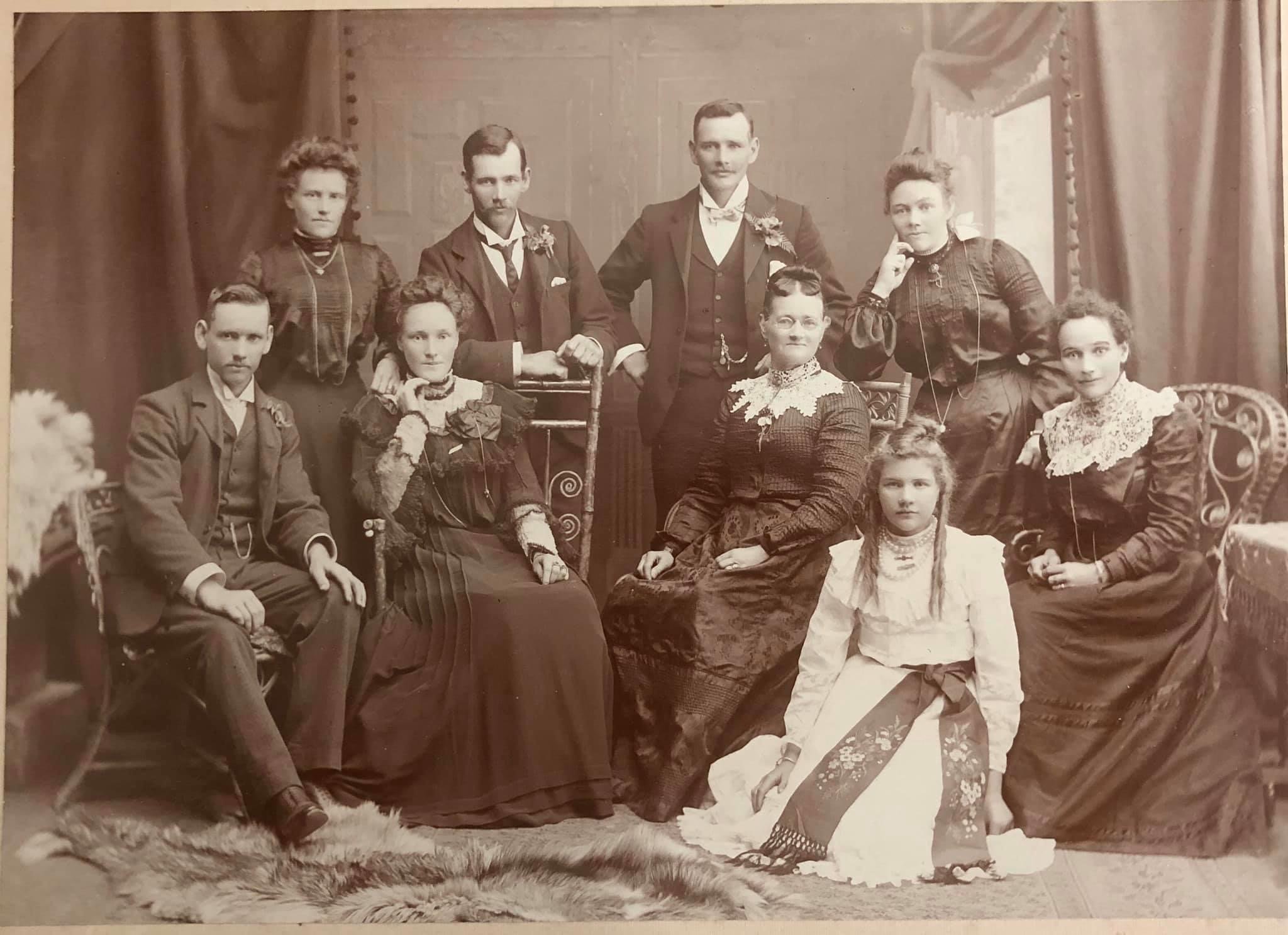
The Hurrey family of 'Craigie Lee', the property they purchased in 1886. Back left to right: Alice (1874 – 1966, Mrs Mackintosh), Thomas Henry (1877 – 1966), James ‘Jack’ Edward (1879 – 1932), Elizabeth (1872 – 1937, Mrs McKenzie). Seated: John Thomas (1884 – 1915), Blanche (1880 – 1968, Mrs Draper), Mary Jane (1844 – 1921, nee Hall), Mary Jane (1875 – 1948, Mrs Gardiner). Front: Louisa Annie (1891 – 1960). Thomas, John and James started the 'Hurrey Brothers Craigie Lee Dairy Farm', with Thomas and John running the Yan Yean property, and James running the retail outlet in North Fitzroy. When Blanche Draper (nee Hurrey) sent James Chester’s older siblings Tom and Cathie to school, they lived with Mary Hurrey (1859 – 1911, nee Draper) at Egremont Street, North Fitzroy, where she and her husband James ‘Uncle Jack’ ran Hurrey Brothers Dairy. This arrangement continued until James Chester Draper was aged six years and nine months. Photo credit Hurrey and Draper families
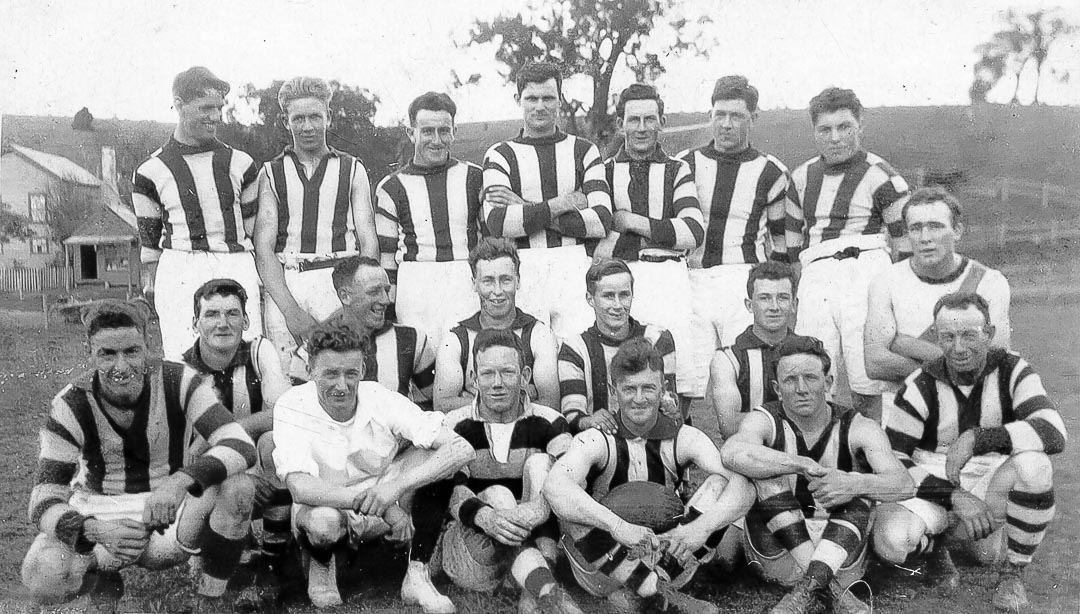
Arthurs Creek Football Club, 1924. Left to right, rear: Keith Bassett, Frank Bourke, Bert Apted, Les Apted, Pierce Brennan, Greg Brennan, Jack Herbert. Centre: Gordon Murphy, Tom Draper, Cec. Verso, George Brain, Jack Brennan, James Chester Draper. Front: Arthur Verso, A. Steer, Dave Hepburn, Harry Christian, Joe Lodge, Herb Verso. Photo credit Draper family
Bruce G. Draper's father, James Chester Draper (1905 - 1998), pictured left, Arthurs Creek Football Club. ‘Chester’ and his brother ‘Tom’ Thomas Barton Draper (1903 – 1959) are in pre and post WW1 colours, 1924. Photo credit Draper family
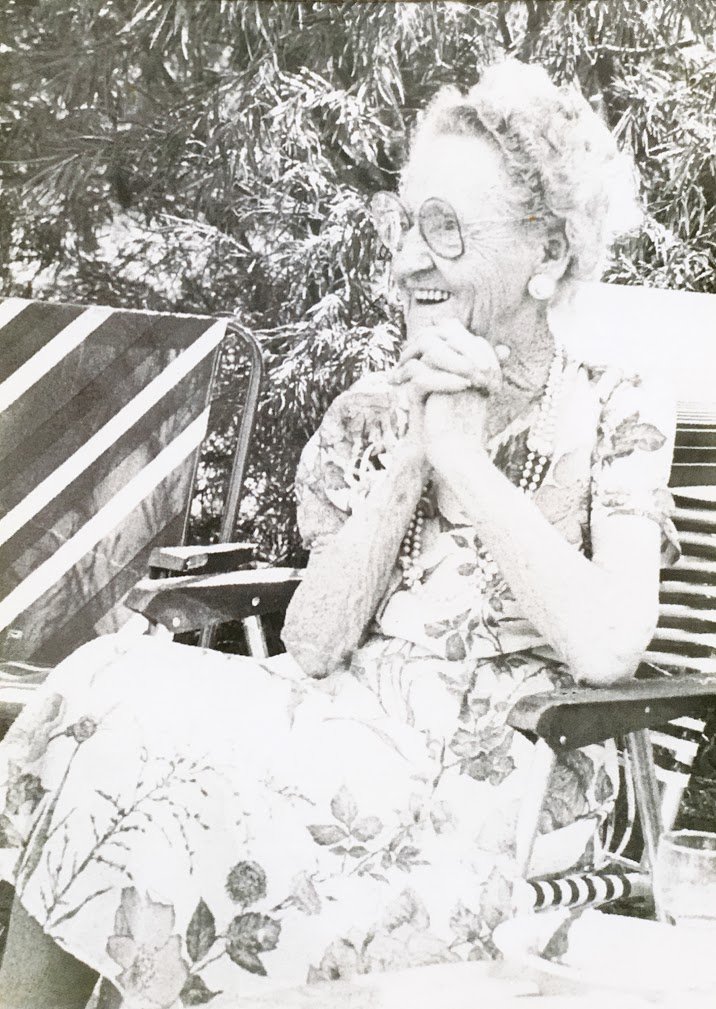
Miss Carmella Josephine Ryder (1896 - 1986) taken on her 90th birthday, March 19, 1986. The Evelyn Observer of 1912 reported that a social night for the Arthurs Creek Football Club was held in the Mechanics Institute during October as a winding up of the football season. Some 24 couples kept the floor to music supplied by Miss Ryder. Miss Ryder lived at 'Ivy Bank' which was demolished in 1987 and is now the site of the Arthurs Creek CFA.
Photo credit Ryder family
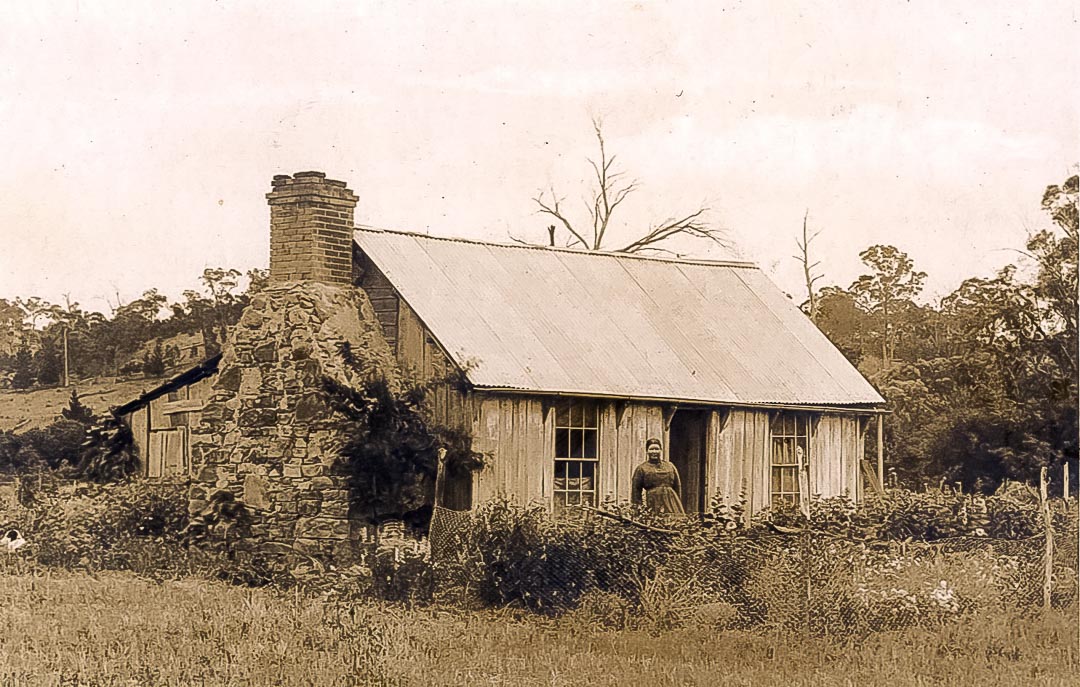
John Ryder's original dwelling was typical of many in the district and was constructed using slabs and palings from local river gum or stringy bark, and then lined with paper. It was originally adjacent to Charles Draper's 'Charnwood' selection on the Running Creek before it was relocated to the Draper property 'Barton Hill', Arthurs Creek, and used as a kitchen and pantry. Maria Pickard (nee Draper, 1849 - 1925), eldest daughter of Charles and Catherine Draper, is in the foreground. Photo credit James Chester Draper
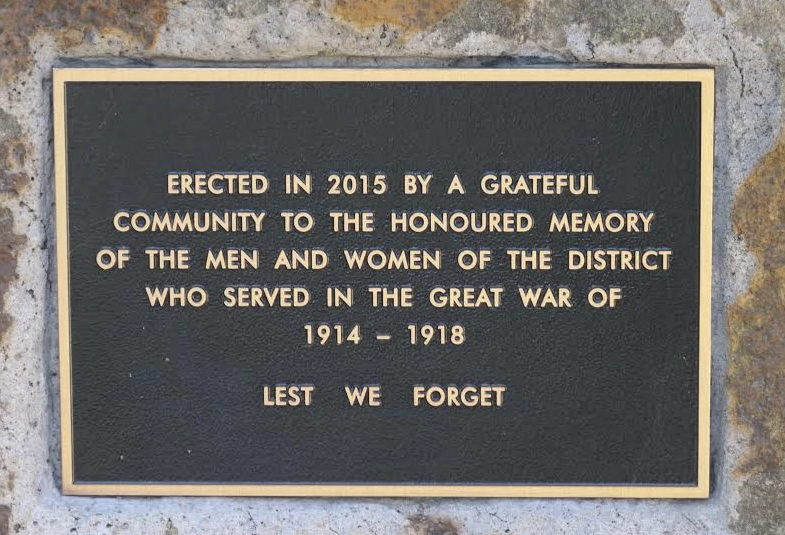
Erected in 2015 by a grateful community to the honoured memory of the men and women of the district who served in the Great War of 1914 - 1918. Lest We Forget. Arthurs Creek Mechanics Institute’s WW1 Honour Roll and Commemorative Garden Opening, Sunday 17th April 2016. Photo credit Bruce G. Draper
Hurstbridge Avenue of Honour. 'To those who served and sacrificed their lives we dedicate this Avenue of Honour'. Fifty trees were planted in August 1918 creating an Avenue of Honour on this site, dedicated to the eternal memory of soldiers from the Hurstbridge district who gave service in WW1 (1914 – 1918). Lest We Forget.
Hurstbridge Avenue of Honour plaque, launched 20th July 2015. Photo credit Kev Howlett, 2017 for the Yarra Plenty Regional Library, www.yprl.vic.gov.au/explore/local-family-history/local-history/
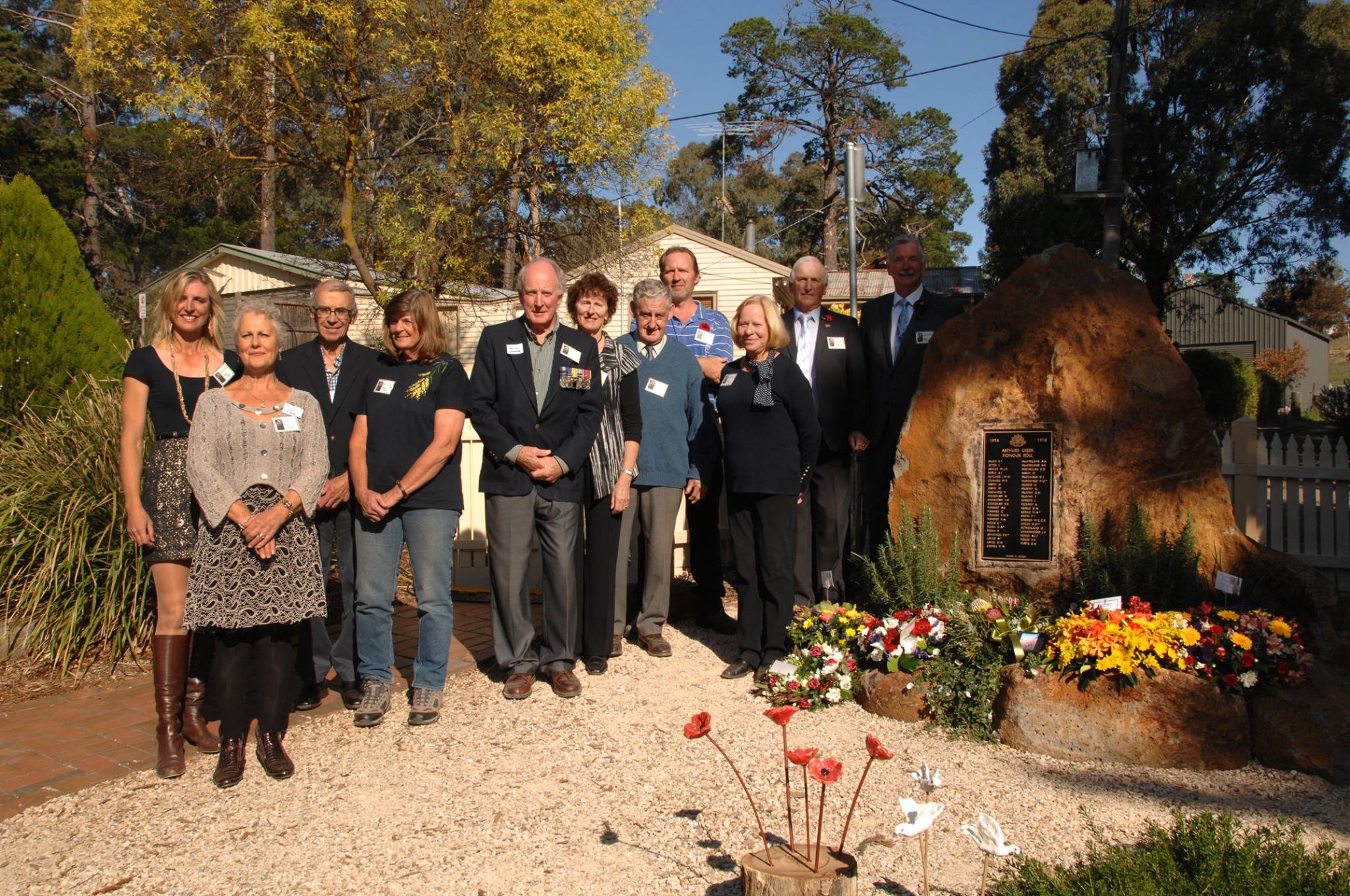
The organising committee at the Arthurs Creek Mechanics Institute’s WW1 Honour Roll and Commemorative Garden Opening, Sunday 17th April 2016. Photo credit Arthurs Creek Mechanics Institute Collection
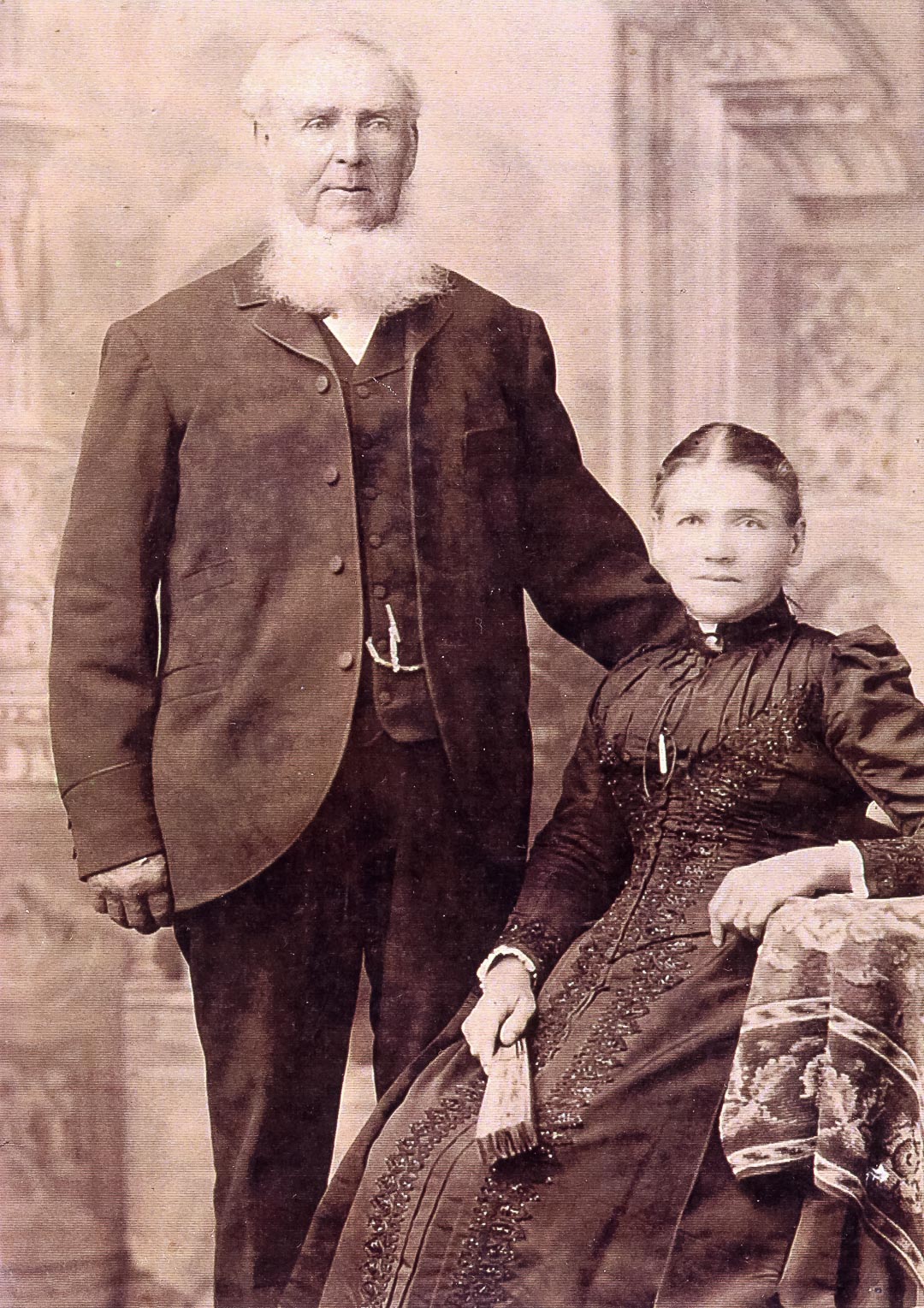
John Ryder on the occasion of his second marriage to Rachel Smith in 1895. John and Jane Ryder and Charles and Catherine Draper were the first settlers at Arthurs Creek. Photo credit Ryder family
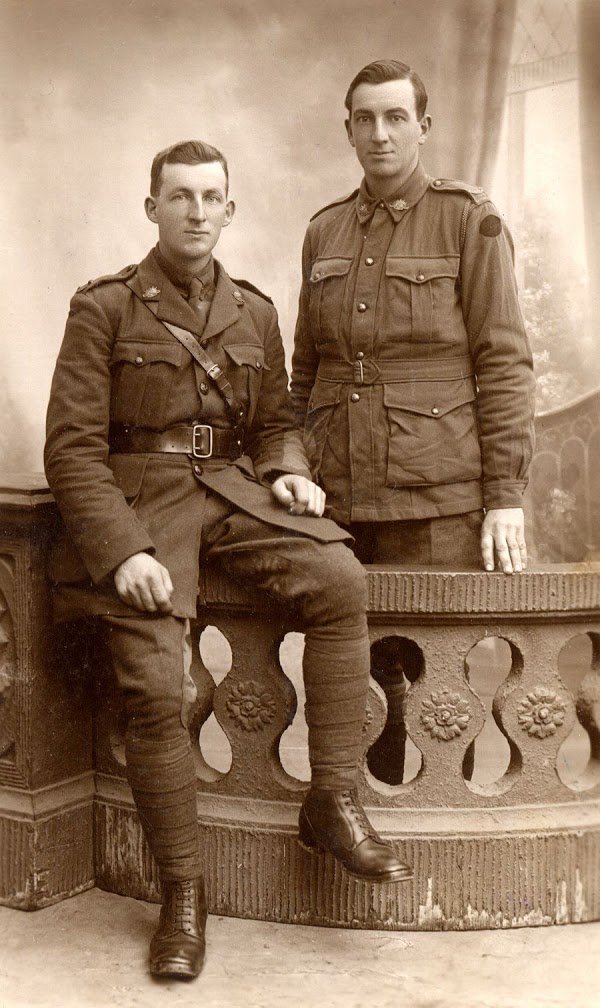
Stanley Brunker Verso and Allan Joseph John Verso. Photo taken in France in 1918. On Saturday 31 August, 1918 Charles Verso participated in the planting of an Honour Avenue in Hurstbridge when trees were planted for each soldier from the district who served in the Great War 'we planted a tree, elm, each for Stanley and Allan and one for Alf King.’ Both sons had worked as orchardists on the family property 'Versdale' in Boyd’s Road before enlisting in 1916. Both survived the war and were awarded the Victory Medal, the British War Medal and the 1914/1915 Star. The land transfer for the Hurst’s Bridge Memorial Park was signed by the Trustees at Charles Verso’s home on 2 November, 1923. Information from Bruce G. Draper and Terry Phillips, military historian. Photo credit Verso family
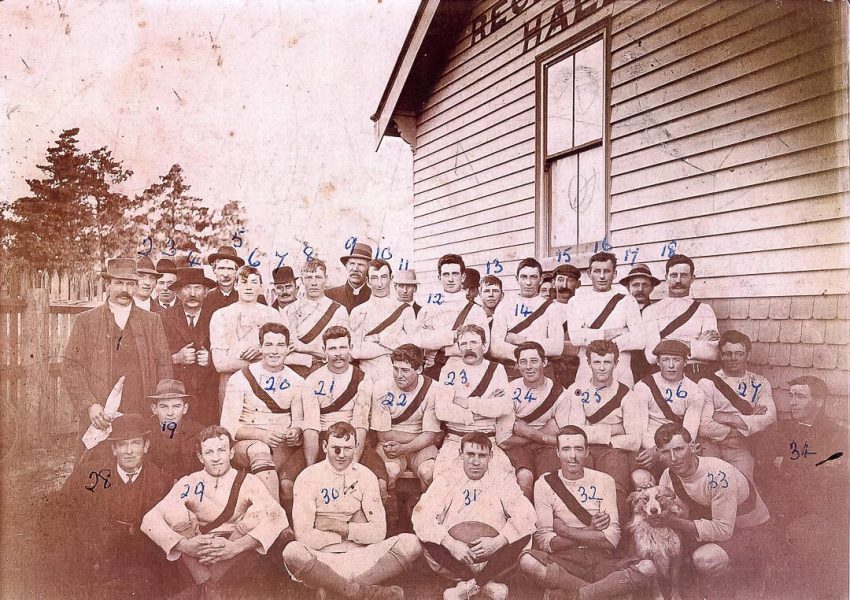
Arthurs Creek Football Club in pre WW1 colours at the Doreen Hall. 1. Albert Hempel. 2. Dick Verso. 3. Ern Hildebrand. 4 Mart Brennan. 5. J.T. Murphy (Streamville). 6. Gordon Murphy. 7. Samuel Wilson Atkinson (Glenvale)*. 8. Harold Macdonald. 9. P.W.J. Murphy (Streamville). 10. Wally Verso. 11. Mick Brennan. 12. Perc Brennan ‘big’. 13. Oliver Ratley. 14. Allan Verso. 15. Bob Stanlake. 16. Colin Hicks. 17. Bill Yates. 18. Jack Brennan. 19. Perc Brennan ‘little’. 20. Bob McKimmie. 21. Dinny Christian. 22. Jim McKimmie. 23. Billy Mann (Captain). 24. Jack McDonald. 25. Harry Christian. 26. Jimmy Morrison. 27. Ossie Ross. 28. Tommy Cox. 29. Herb Verso. 30. James T. Murphy. 31. Umpire. 32. Jim Murphy (Wildie). 33. Tom Murphy. *Note: Samuel Wilson Atkinson (1888/9 - 1946) of Glenvale in Whittlesea, was a farm labourer and his mother, Fannie Letitia Atkinson (nee Langham) of Glenvale, a housekeeper. They have sometimes been described as running the Doreen Store, however, the store was run by Robert William Atkinson and his wife Georgina Atkinson. Photo credit Bruce G. Draper
Got a question or some interesting facts? Leave a comment and we’ll reply.
Click here for links and descriptions that may be helpful for those doing their own research, or for those who simply want to know more about some of the topics touched on in Up the Creek Victoria



0 Comments