
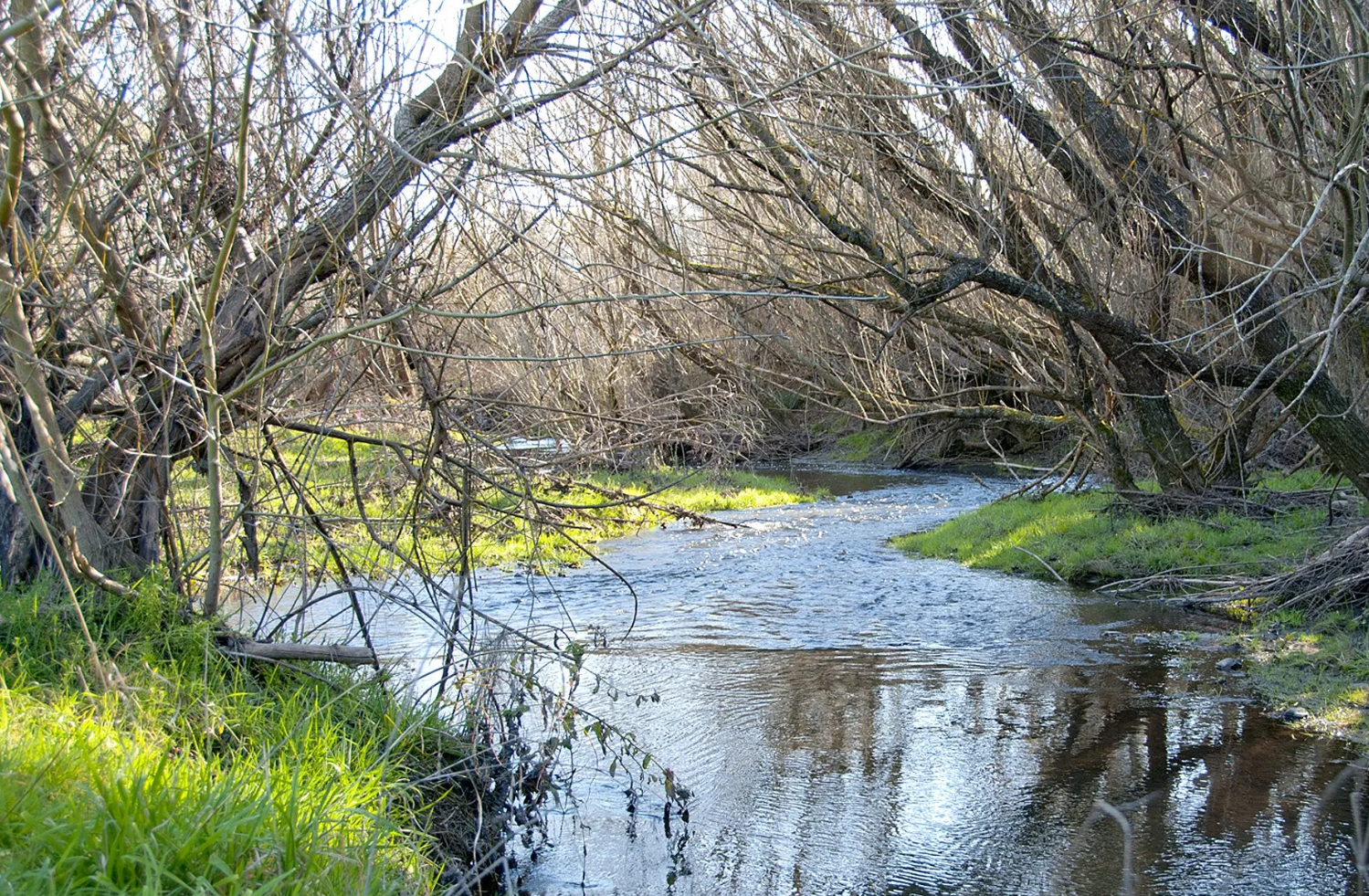
…the weeping willow, basket willow, golden willow, pussy willow and red willow which I knew, also a peculiar twining weeping willow which grows like a banyan tree…
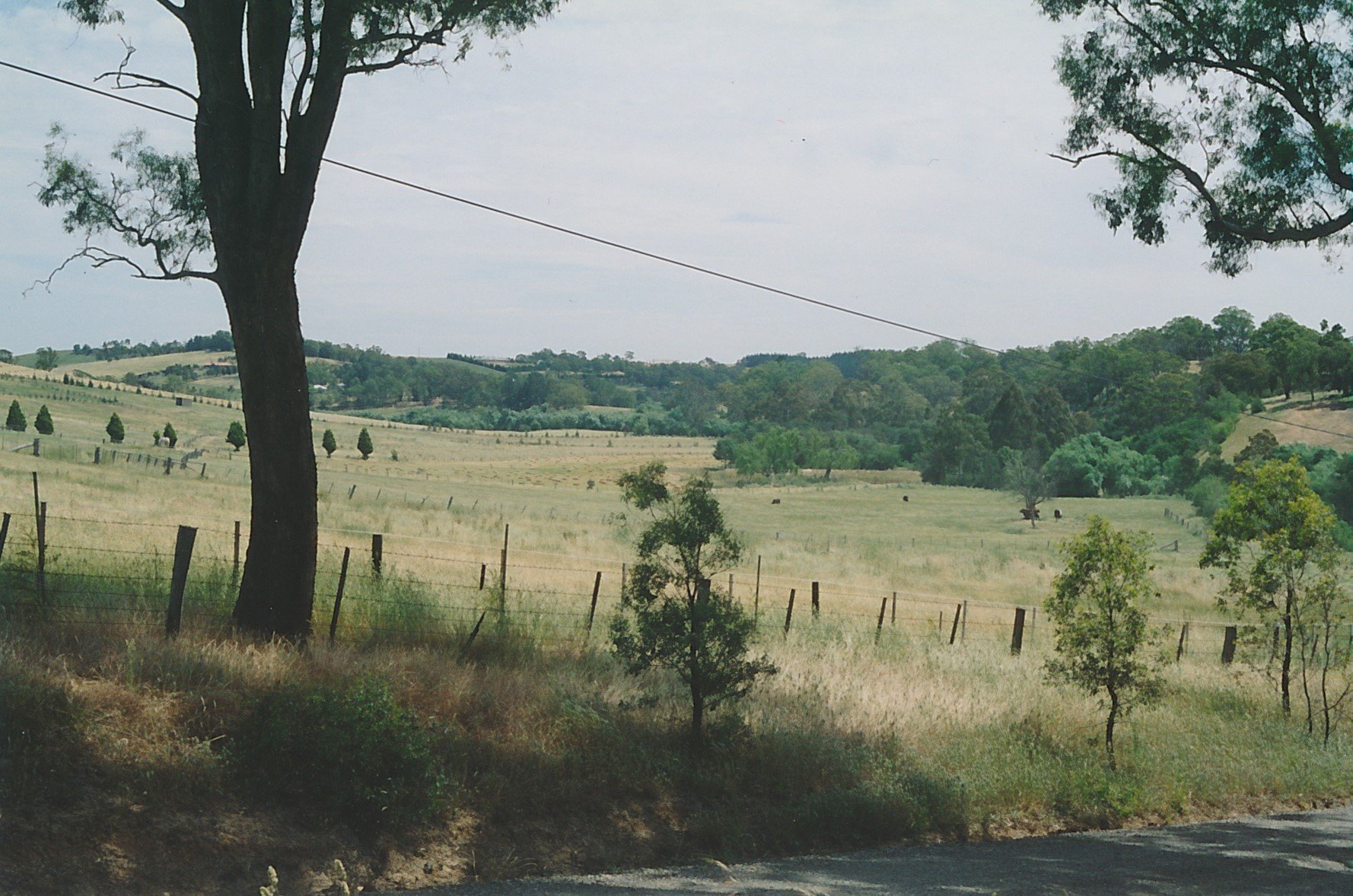
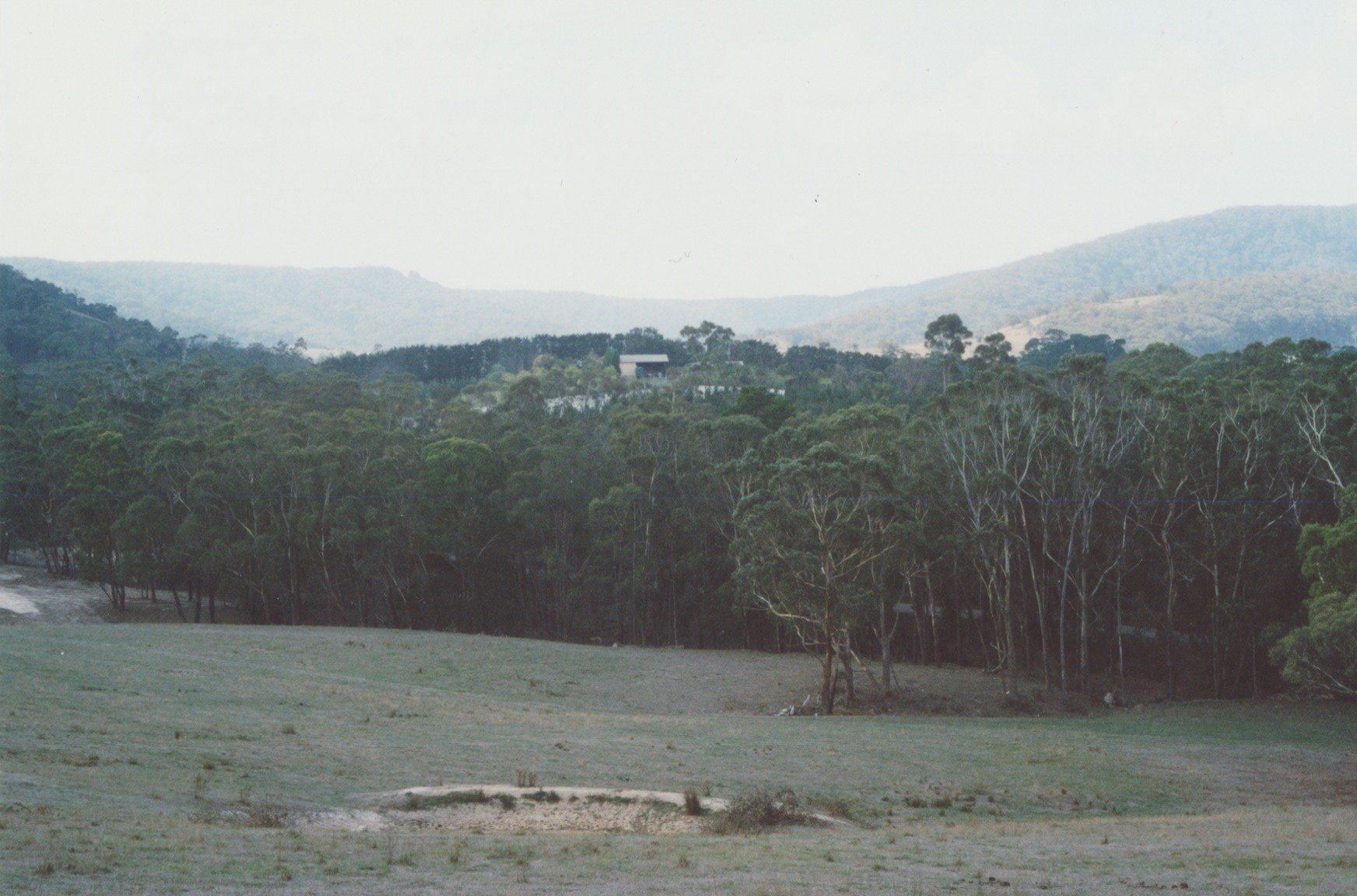
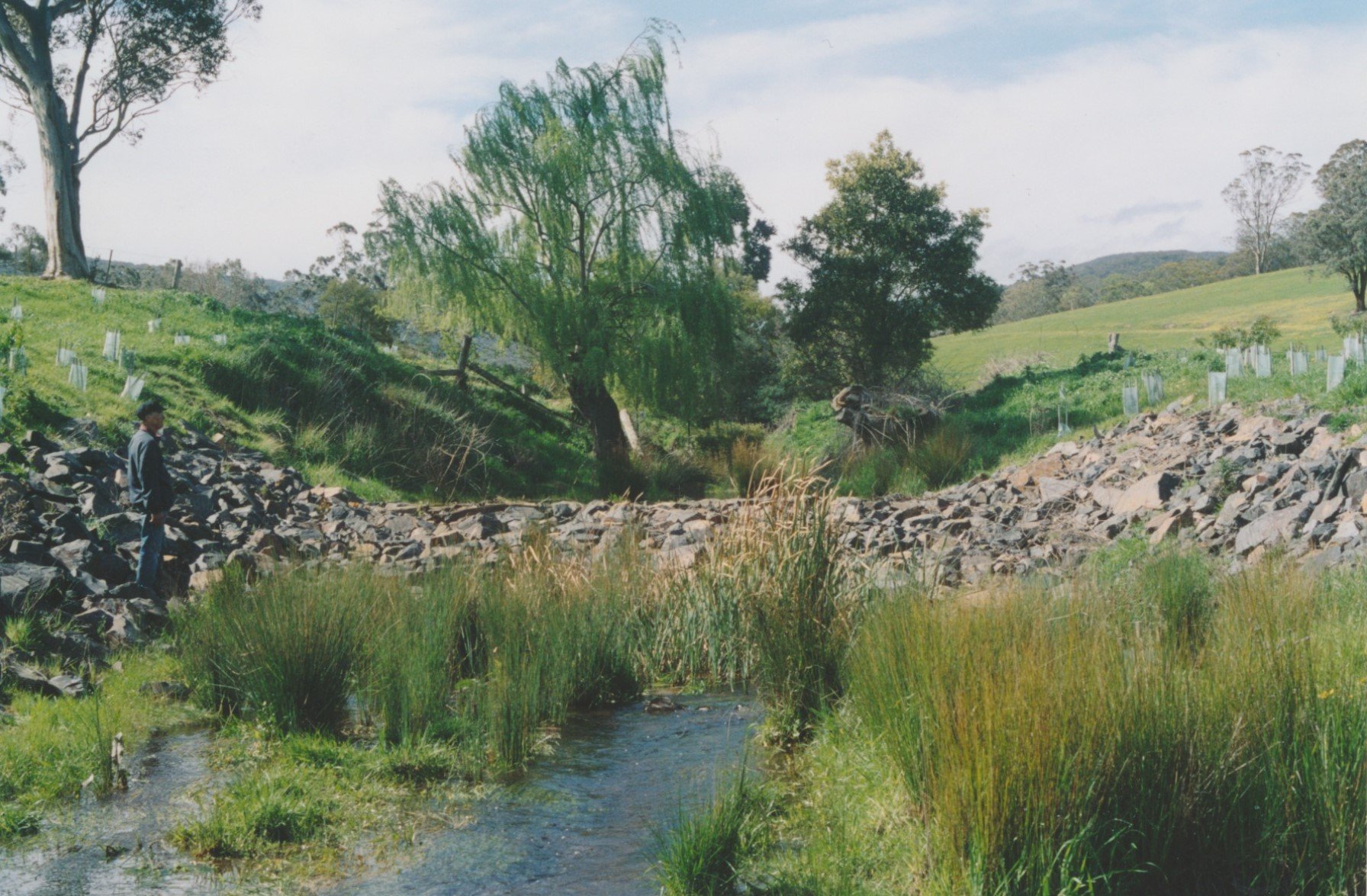
The clearing of land and planting of willows has led to many changes to both the landscape and flow of water along the Running Creek. Traditionally willows were ‘grown for ornament, screens, shelter, holding of banks, and some of the species for the twigs from which baskets are made’, as well as for ‘crooked sticks’ known today as cricket bats. The willows are well adapted to moist situations, succeed in almost any soil and have creeping and invasive roots, which can create problems in slow flowing streams.
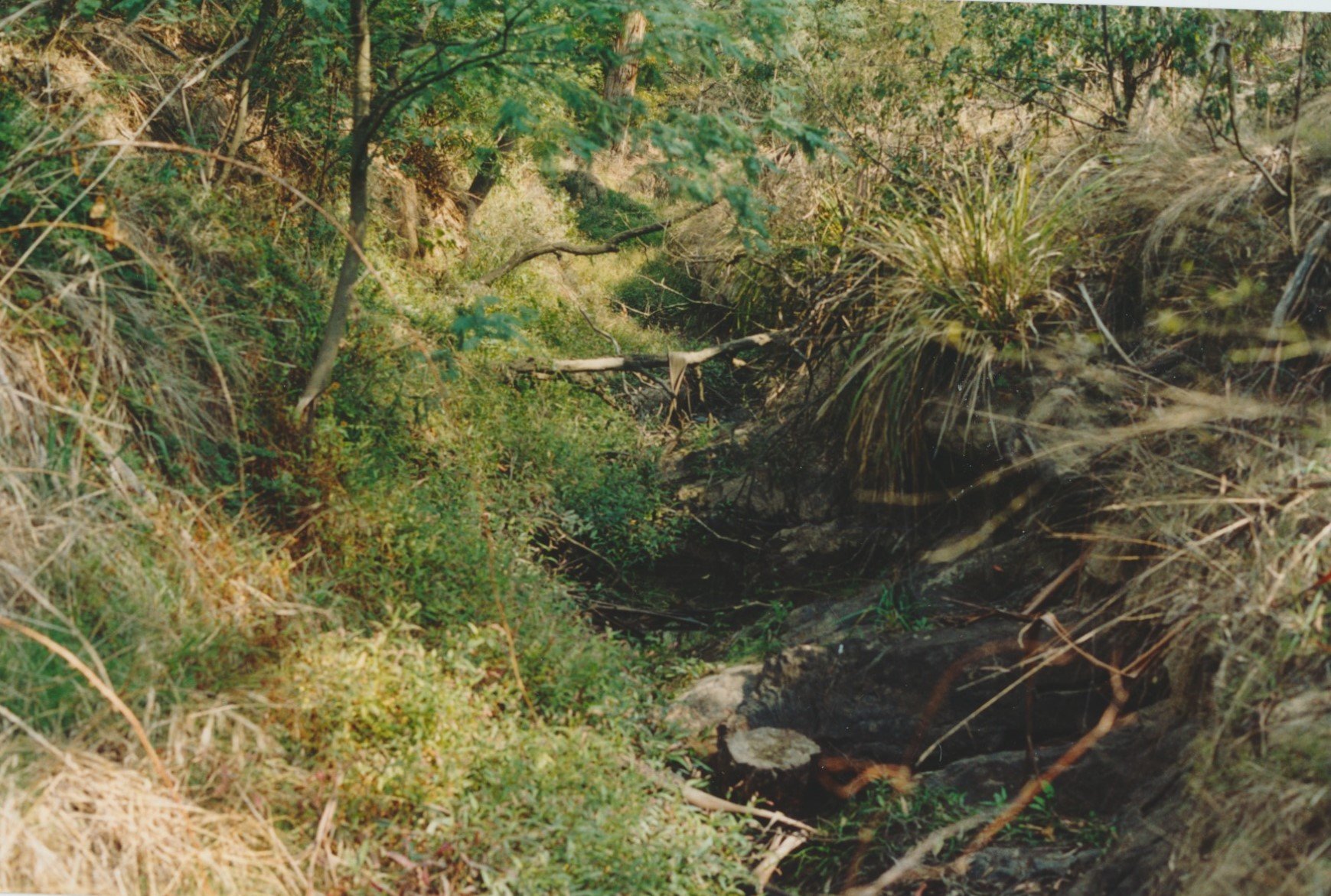
Chester Draper in his recollections remembered that, “As a boy the bridge over the Running Creek near the house at ‘Charnwood’ had water flowing just over it. My father (Jim Draper, born at Running Creek on 9th January 1863) told me that when he was a boy he could swing above the water under this bridge. The willows, which grew all along the Running Creek from the Charnwood house to the junction of the Deep Creek (planted by my grandfather, Charles Draper), had roots which blocked the creek in places, but there were many deep holes and lots of black fish and eels. The creek was so well shaded that the water was cold. Where there were no willows, there were silver wattles. There were a number of different varieties of willow. The weeping willow, basket willow, golden willow, pussy willow and red willow which I knew, also a peculiar twining weeping willow which grows like a banyan tree. This tree can strangle itself if it is not watched.
The new growth twines around the old, and as the old part grows it cuts the twining part into it (causing suicide if you like). It is a pretty tree. The willows were very tall.”
Merv Draper also remembers that, “The Running Creek was silted up by the early 1900s. A number of deep holes existed along the creek, which were good for both fishing and swimming. My father said that as a boy he could swing underneath the bridge near the house at Charnwood without touching the water. Only the top was showing when my brothers Tom and Staff dug out the hydraulic ram, built on the bank of the creek to supply the gardens reservoir”.
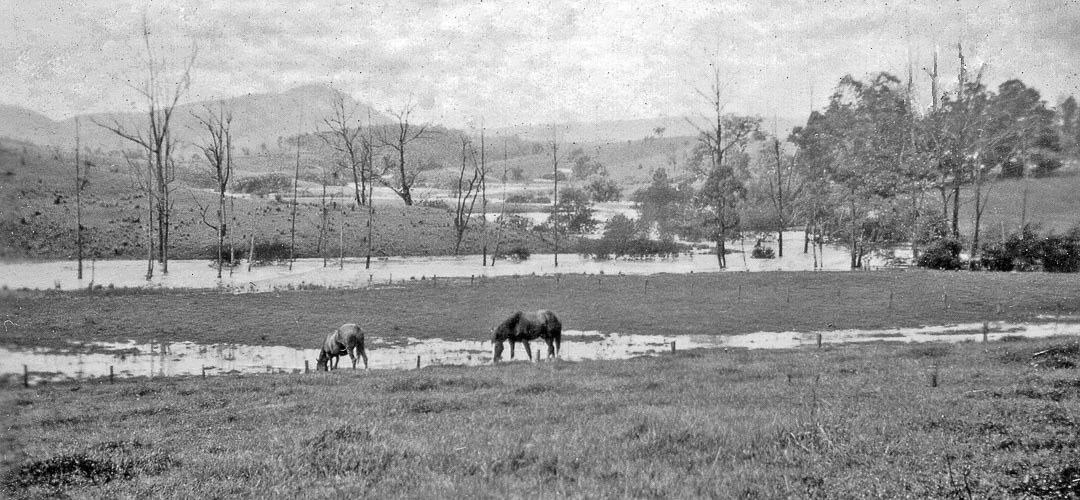
The Arthurs Creek in flood spreads out across the flats above the junction with Running Creek, so that the creek has not altered much over the years.
The Running Creek (which continued to run during the recent drought) stopped running altogether in November 1938. Water holes remained here and there along the creek. Water was carted from the holes, which were fenced off to keep out the kangaroos. Rain on 13 January 1939 helped put the fires out. The creek started running again in February with one of the biggest floods. Logs were everywhere in the creek from the effect of the bush fires. Jack Downie (the stock and station agent for New Zealand Loan at Whittlesea) said ‘You’ll never see another year like this with two springs in the one year’.
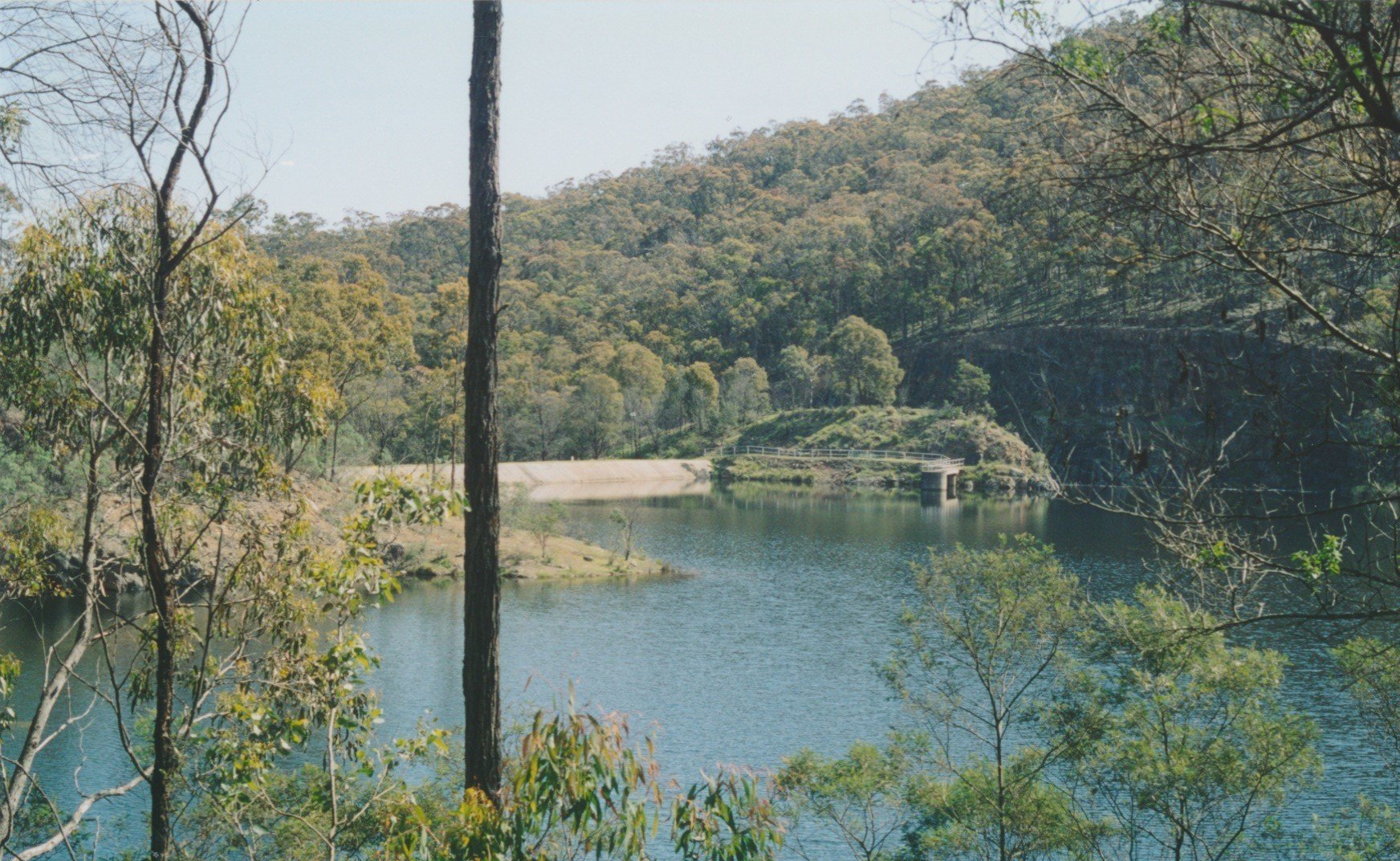
The construction of the reservoir on the slopes of the Sugarloaf in the 1960s interrupted the flow of the creek until the reservoir was filled. A steady flow recommenced after a leak developed in the rock fill dam wall.
Throughout the years, the sheltered, clear running waters of the Running Creek near Charnwood have remained as a haven for blackfish, eels and the platypus together with introduced red-fin, roach and the occasional trout.
During the depression years the willows along the creek were cut and sold to a mill at North Fitzroy to make woodswool shavings for packing. In times of drought the leaves from the willow branches have been used to feed the cattle.”




0 Comments